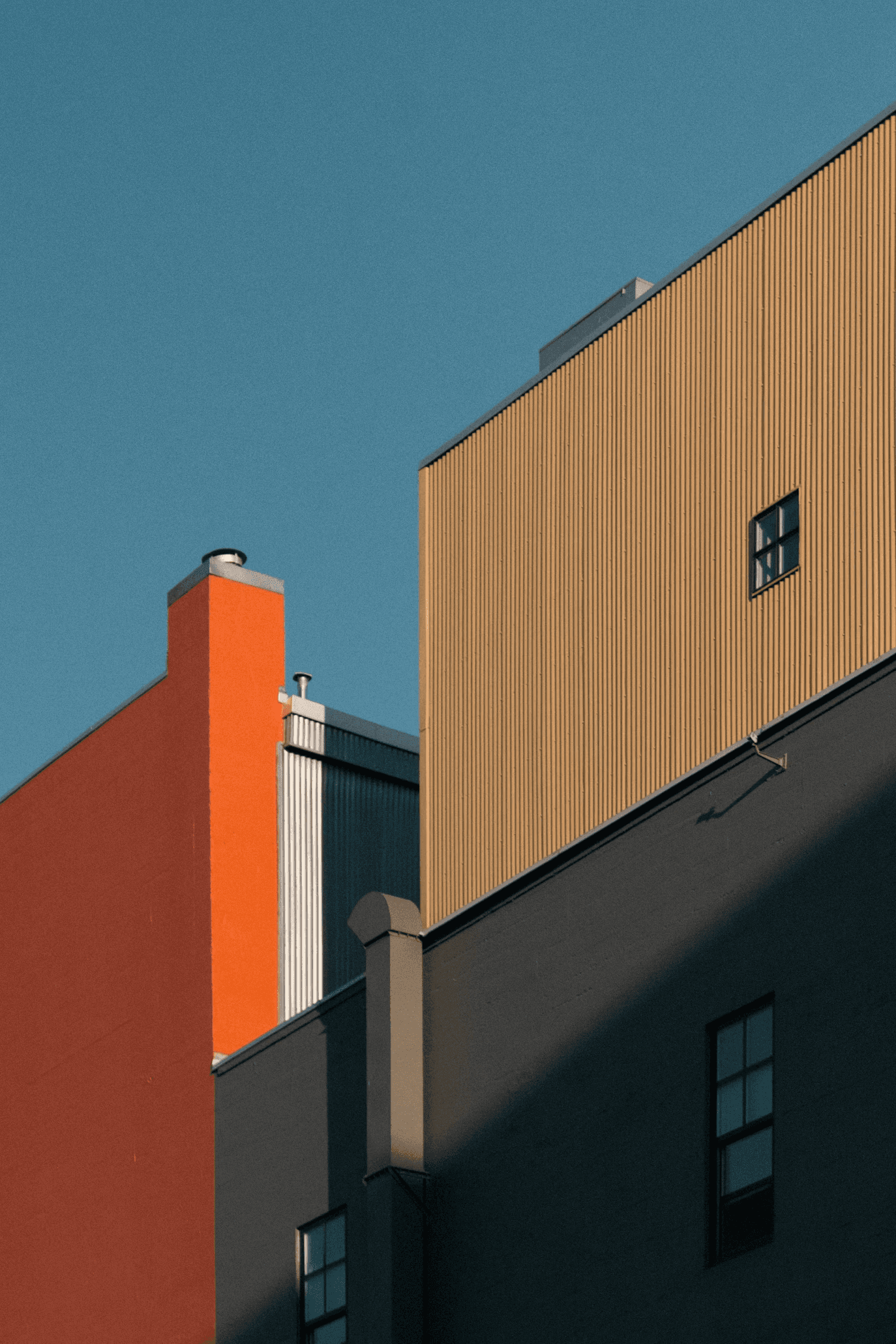
The Rise of Boutique Architecture in Contemporary Living
Explore how boutique architecture is redefining modern living through personalization, materiality, and refined spatial experiences.
Modern Minimalist Architecture
Modern minimalist architecture focuses on simplicity, clarity, and purpose. Rather than overwhelming spaces with excessive elements, this approach embraces clean lines, open layouts, and thoughtful design decisions that highlight function and form.
Today’s minimalist homes and structures are designed to create calm, uncluttered environments where every element serves a meaningful role.
Why Minimalist Architecture Matters
Minimalism enhances the quality of living by reducing visual noise and promoting mental clarity. By prioritizing essential elements, architects create spaces that feel open, breathable, and timeless.
Key Characteristics of Minimalist Architecture
01. Simplicity in Form
Structures feature clean lines and uncluttered compositions.
02. Neutral Material Palette
Use of concrete, wood, glass, and steel in subtle tones.
03. Open Spatial Planning
Layouts encourage natural flow and connectivity.
04. Functional Aesthetics
Design focuses on purpose while maintaining elegance.
The Design Approach Behind Minimalist Projects
Minimalist architecture requires disciplined design thinking. Every component is carefully selected to ensure it contributes to the overall harmony of the space while maintaining visual balance and functionality.
Real-World Impact on Modern Living
Minimalist spaces reduce stress, improve usability, and create environments that are easy to maintain while remaining visually sophisticated.
Conclusion
Modern minimalist architecture proves that less can truly be more, offering spaces that are calm, efficient, and timeless.